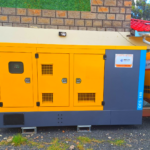
A standby generator can provide essential backup power, but simply having a generator installed does not guarantee that it will perform when needed.
Generators can remain unused for long periods while still being expected to operate immediately during a power failure. Without proper testing, faults and performance issues may remain undetected until the generator is needed most.
Load bank testing provides a controlled way to test generators and other backup power systems under simulated electrical loads. It helps confirm whether equipment can deliver the required power and operate reliably under demanding conditions.
For businesses, data centres, hospitals, manufacturing facilities and other critical installations, regular generator testing can be an important part of power reliability and preventive maintenance.
What Is Load Bank Testing?
Load bank testing is a process used to place a controlled electrical load on a generator, UPS or other power source and evaluate its performance.
Instead of waiting for the generator to experience a real power outage, a load bank creates an artificial electrical demand. This allows engineers and technicians to assess how the power system performs under different load conditions.
During a typical generator load bank test, engineers may monitor factors such as:
- Generator output.
- Voltage and frequency.
- Engine performance.
- Cooling system performance.
- Fuel system operation.
- Exhaust temperature.
- Battery and starting system performance.
- Stability under different load levels.
The results can help identify problems that may not be visible during a basic no-load generator test.
Why Is Load Bank Testing Important?
Generators are often tested by simply starting them and allowing them to run for a short period. While this confirms that the engine starts, it does not necessarily demonstrate that the generator can handle its rated electrical capacity.
Load bank testing goes further by placing the generator under controlled electrical demand.
This can help identify:
- Capacity and performance problems.
- Cooling system deficiencies.
- Fuel system issues.
- Voltage and frequency instability.
- Engine performance problems.
- Problems caused by prolonged low-load operation.
- Issues that could affect generator reliability during an actual power outage.
For critical power systems, identifying these issues before an emergency occurs can help reduce the risk of unexpected downtime.
Generator Load Testing for Critical Facilities
Some facilities cannot afford prolonged power interruptions.
Data centres, hospitals, financial institutions, manufacturing plants, telecommunications facilities and other mission-critical environments often rely on standby generators to maintain operations when utility power fails.
For these facilities, load bank testing in Kenya can form part of a broader power reliability and preventive maintenance programme.
Testing can be carried out during planned maintenance periods without depending on an actual grid failure to evaluate the generator.
Load Bank Testing for Data Centres
Data centres have particularly demanding power requirements.
Backup generators and UPS systems are expected to operate reliably when utility power is interrupted. A failure within the backup power system can affect servers, network infrastructure, cooling systems and other critical equipment.
Data centre load bank testing helps engineers evaluate backup generators under controlled operating conditions.
Testing can be incorporated into:
- Generator commissioning.
- Data centre commissioning.
- Preventive maintenance.
- Generator acceptance testing.
- Power system validation.
- Capacity verification.
For newly installed systems, load bank testing can also help confirm that the generator performs according to its specified capacity before the facility becomes fully operational.
Load Bank Testing for UPS Systems
Generators are not the only power systems that require testing.
UPS systems are commonly used to provide uninterrupted power to critical equipment while standby generators start or during short-duration interruptions.
UPS load testing can help evaluate how the system performs under controlled electrical demand and whether it can provide the expected level of backup power.
For facilities relying on both UPS systems and generators, testing the individual components as well as the overall backup power strategy can provide greater confidence in system performance.
Load Bank Testing During Generator Commissioning
Load bank testing can also be an important part of generator commissioning.
When a new generator is installed, it is important to verify that the complete system performs according to its design requirements.
Commissioning may involve:
- Inspecting the installation.
- Starting and operating the generator.
- Checking electrical output.
- Applying controlled loads.
- Monitoring engine and electrical parameters.
- Identifying abnormalities.
- Recording test results.
- Confirming system performance.
Proper commissioning helps establish a performance baseline that can be useful for future maintenance and troubleshooting.
How Often Should a Generator Be Load Tested?
The appropriate testing frequency depends on the generator, operating environment, manufacturer’s recommendations and the importance of the facility.
Facilities with critical power requirements may require more structured testing programmes than applications where the generator is used occasionally.
Load bank testing may also be appropriate after:
- Installation of a new generator.
- Major generator repairs.
- Significant electrical modifications.
- Extended periods of low-load operation.
- Generator commissioning.
- Major maintenance.
- Changes to the facility’s electrical load.
A qualified engineering team can help determine an appropriate testing programme based on the specific installation.
What Happens During a Load Bank Test?
The exact procedure depends on the equipment and application, but a typical test involves connecting a load bank to the generator and progressively applying electrical load.
Engineers monitor the generator while it operates at different load levels.
The test may evaluate performance at several stages, allowing the technical team to identify how the generator responds as demand increases.
After testing, the results can be reviewed to determine whether the generator is performing within the required parameters and whether further maintenance or investigation is necessary.
Benefits of Professional Load Bank Testing
Professional testing provides more than simply running a generator.
It can help businesses:
- Verify generator capacity.
- Identify potential faults before an emergency.
- Confirm generator performance after installation.
- Support preventive maintenance.
- Validate backup power systems.
- Improve confidence in critical power infrastructure.
- Establish useful performance records.
For organisations where downtime can result in significant operational losses, proactive testing can be considerably more valuable than discovering a problem during an actual power failure.
Why Choose an Experienced Load Bank Testing Company?
Load bank testing involves electrical equipment, generators and potentially high power loads. It should therefore be performed by qualified professionals using appropriate testing equipment and safety procedures.
When choosing a load bank testing company in Kenya, consider the provider’s:
- Engineering experience.
- Testing equipment and capabilities.
- Generator commissioning experience.
- Electrical engineering expertise.
- Experience with industrial and commercial installations.
- Understanding of critical power systems.
- Ability to provide proper testing documentation and reports.
A provider capable of supporting generator testing, electrical systems and commissioning can provide a more comprehensive approach to power reliability.
Load Bank Testing Services from Bilmah Engineering Services
Bilmah Engineering Services Ltd provides load bank testing services in Kenya as part of its wider electrical and power engineering capabilities.
The company supports generator testing, commissioning and performance verification for commercial, industrial and critical power applications.
Bilmah’s engineering services can support clients requiring generator testing, load bank rental, generator commissioning and electrical performance testing.
Whether testing an existing standby generator or commissioning a new power system, professional testing can help identify performance issues before they become costly failures.
Protect Your Backup Power System Before You Need It
A generator should not only start when tested. It should be capable of delivering the required power when the facility needs it most.
Regular load bank testing provides a controlled way to evaluate generator performance, identify potential problems and maintain confidence in critical backup power systems.
If your organisation operates generators, UPS systems or other critical power infrastructure, Bilmah Engineering Services can help assess your testing requirements and provide professional load bank testing and generator commissioning services.
Contact Bilmah Engineering Services to schedule load bank testing or discuss your generator and backup power requirements.